
How Men’s Hair Systems Work: Everything You Need to Know
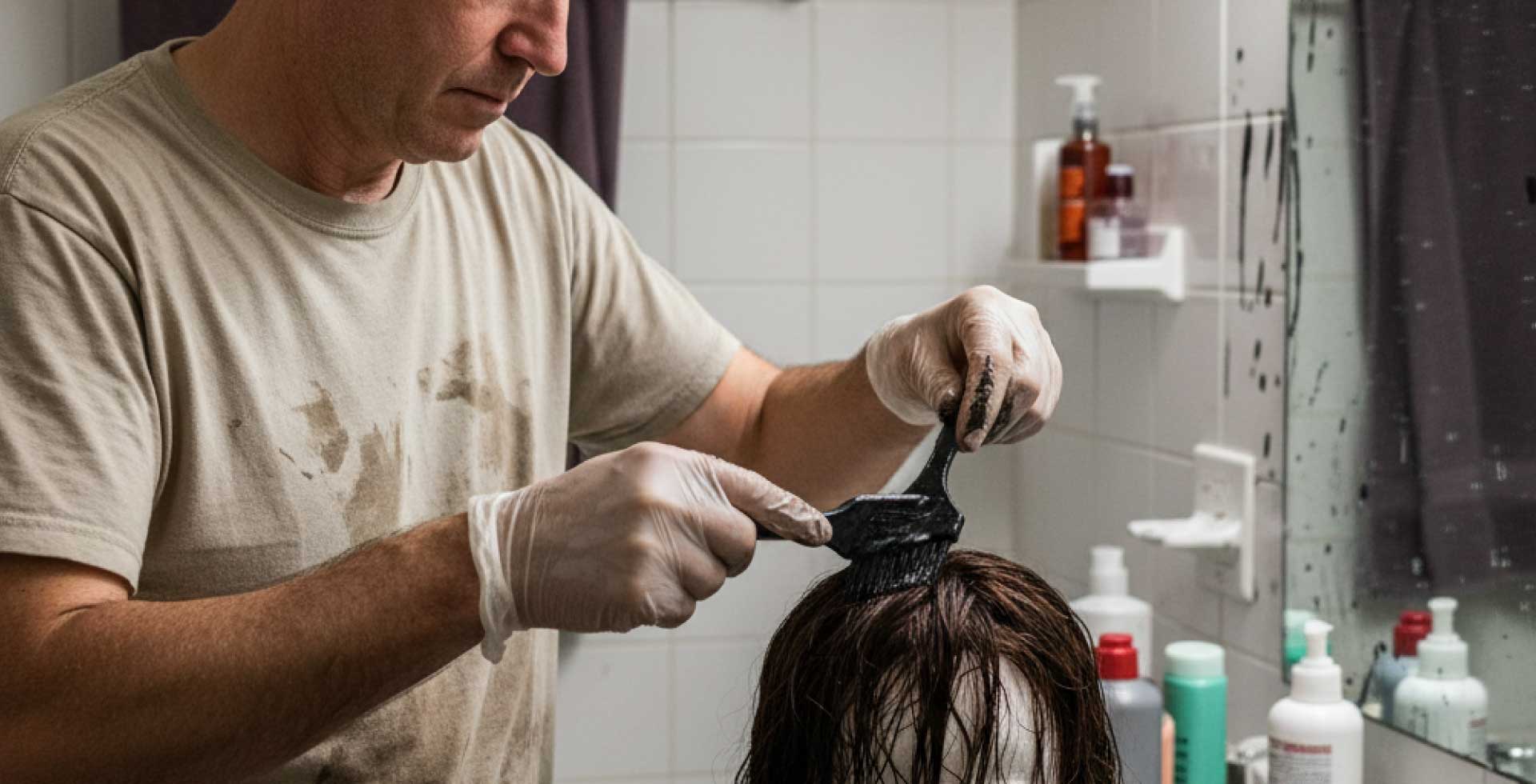
Modern best men’s hair restoration system offer a non-surgical, instant solution to male pattern baldness and thinning hair. Unlike traditional, obvious toupees of the past, contemporary hair replacement systems integrate seamlessly with your natural hair and scalp. They utilize real human hair hand-tied to micro-thin, breathable bases that mimic the look of natural skin. This advanced technology allows men to regain a full head of hair, shower, exercise, and live an active lifestyle without fear of displacement or unnatural appearance.
The Core Components: Bases, Hair Types, and Attachment Methods
A hair system consists of two primary elements; an ultra-thin base material and high-grade hair strands. The base acts as a second skin, engineered to lie completely flat against your scalp to create an undetectable hairline.
Manufacturers construct bases primarily from thin skin polyurethane, breathable lace, or a hybrid combination of both. Thin skin bases offer a natural appearance along the hairline, while lace bases allow maximum airflow to keep the scalp cool during hot weather or physical activity. High-quality systems use 100% human hair matched precisely to your natural hair color, density, texture, and wave pattern.
Securing the unit requires specialized medical-grade adhesives or double-sided bonding tapes. These adhesives withstand sweat, water, and daily friction, locking the hair system firmly to a shaved area of the scalp for weeks at a time.
The Step-by-Step Customization and Fitting Process
Achieving a completely natural result requires precise fitting, custom shaping, and expert styling. A professional technician measures the exact perimeter of the thinning area to create a custom base template.
First, the hair loss area is shaved, cleaned, and prepped with a skin protector that prevents irritation and enhances adhesive bond strength. Next, the liquid adhesive or tape is applied to the scalp and base. Once secured, a professional hair stylist cuts, layers, and blends the hair system into your remaining natural hair, creating a seamless transition that looks entirely organic from every angle.
Daily Life, Exercise, and Maintenance Routines
A properly installed hair system functions just like natural growing hair during daily activities. You can sleep, swim, work out intensely, and wear helmets without worrying about the unit shifting or detaching.
Maintaining the system requires a simple routine every two to four weeks. During maintenance, you remove the unit using a gentle adhesive solvent, clean both your scalp and the base thoroughly, replace the adhesive, and re-bond the system. Regular conditioning keeps the human hair soft, hydrated, and natural-looking, extending the overall lifespan of the unit.
Key Benefits of Modern Hair Systems
- Instant Visual Results: Retain a full head of hair immediately after a single fitting session without waiting months for growth.
- Zero Surgical Risks: Avoid the downtime, scabbing, pain, and unpredictable survival rates associated with hair transplant surgery.
- Total Customization: Choose your preferred hair density, color highlights, wave pattern, and hairline shape.
- 100% Reversible: Try a new aesthetic risk-free without permanent alteration to your natural scalp tissue.
Conclusion
Men’s hair systems have evolved into sophisticated, comfortable, and virtually invisible solutions for hair loss. By combining ultra-thin base materials, real human hair, and medical-grade bonding technology, these systems allow you to live life with total confidence. Taking the time to understand the fitting process and basic maintenance routines ensures your system remains undetectable and comfortable day after day. Embracing this non-invasive approach gives you complete control over your appearance and restores a youthful, natural hairline effortessly.


![Revolutionize Your Fitness Journey: Unleash Your Inner Athlete at [Gym Name]](https://images.unsplash.com/photo-1738523687359-c4ad82d9bcd9?crop=entropy&cs=tinysrgb&fit=max&fm=jpg&ixid=M3wxMDA1OTk1fDB8MXxzZWFyY2h8MTI4fHxGaXRuZXNzJTIwR3ltfGVufDB8fHx8MTc4ODQzNTk3OXww&ixlib=rb-4.1.0&q=80&w=1080 "Revolutionize Your Fitness Journey: Unleash Your Inner Athlete at [Gym Name]")